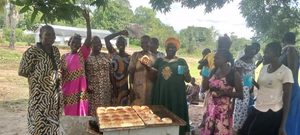
On 5th February 2026, a quiet but powerful transformation began in Greater Mundri West County, Western Equatoria State. Women and men opinion leaders gathered for the first day of the Community Care dialogue organized by EVE Organization, Mundri Office with support from UNICEF.
What unfolded was more than a program introduction. It was a courageous conversation about the realities women and girls face and a collective commitment to change them.
From the start, one message was clear: communities thrive when they work together. Women opinion leaders expressed deep gratitude for being given a platform to speak openly about challenges that have long remained unaddressed.
The dialogue created a safe and structured space for reflection. Women and Men spoke candidly about social norms that prevent them from participating in household decision-making and about the belief that investing in girls’ education is a waste of resources. These norms, they emphasized, continue to limit opportunities for girls and weaken the social fabric of the community.
In a parallel session, men opinion leaders reflected on their hopes and dreams for Mundri. Rather than distancing themselves from gender-related issues, they acknowledged that harmful practices affect the entire community.
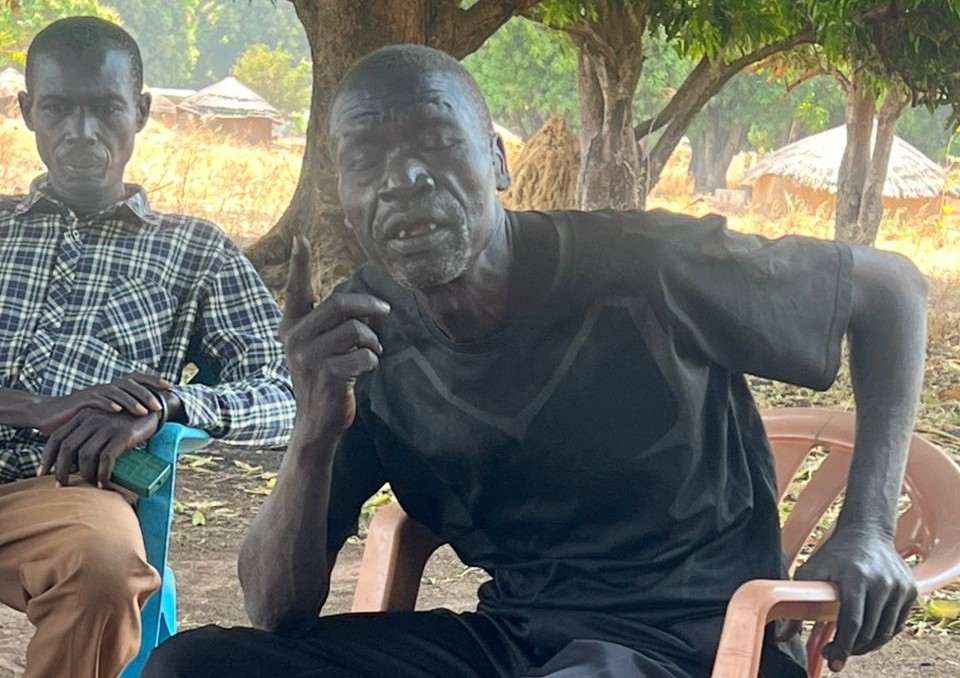
“This dialogue has opened our eyes,” said Mokoyo Muna, Wildlife Coordinator at the Ministry of Wildlife in Mundri West County and a male opinion leader. “If women and girls are not supported, the whole community suffers. We must work together to change harmful norms.”
A symbolic string activity became one of the most impactful moments of the day. As participants held interconnected strands forming a visible web, they reflected on unity and shared responsibility.
“The string shows that we are connected,” explained Benson Malish, a quarter council member and note-taker for the men’s opinion group. “When we share knowledge and cooperate, transformation becomes possible. Unity creates equal opportunities for everyone.”
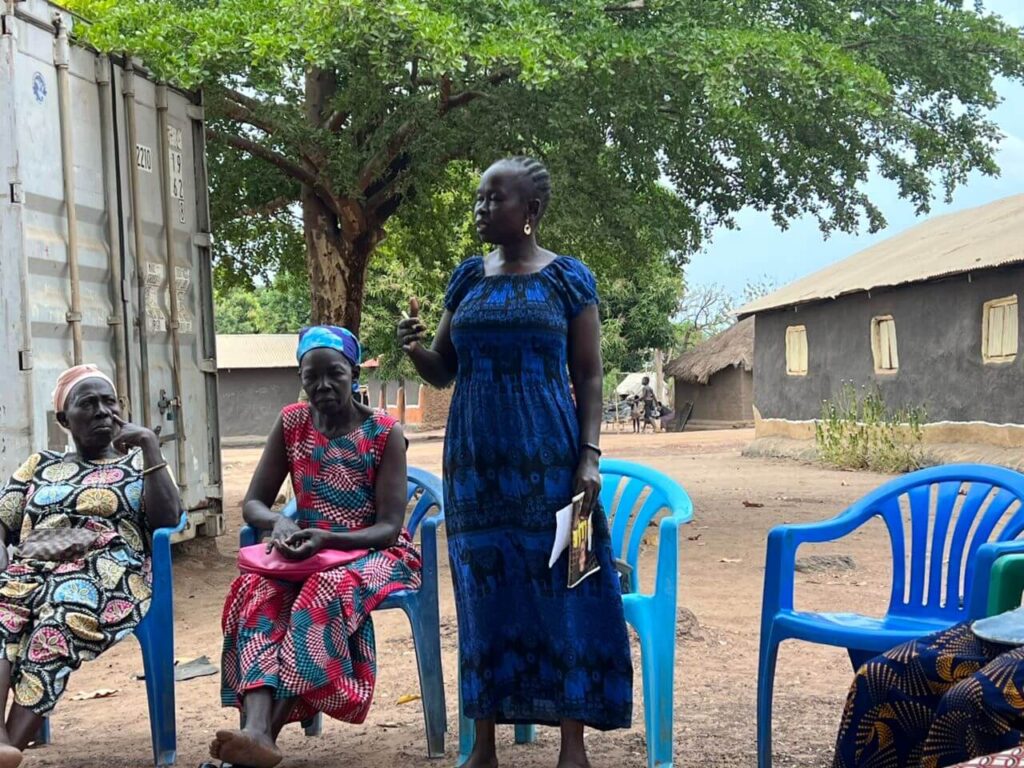
As trust deepened, difficult conversations emerged. Raile Paul, a farmer and women opinion leader, spoke openly about wife inheritance a practice widely observed when a woman loses her husband.
“People believe wife inheritance expands the family lineage,” she said. “But in reality, it brings pain and conflict. Through this Community Care program, we now have a platform to talk about it and find solutions together.”
She also addressed early and forced marriage, practices that remain prevalent in Mundri West County and across Western Equatoria State.
“If we want harmful practices to reduce, we must educate our girls,” Raile emphasized. “Education gives them power and protection.”
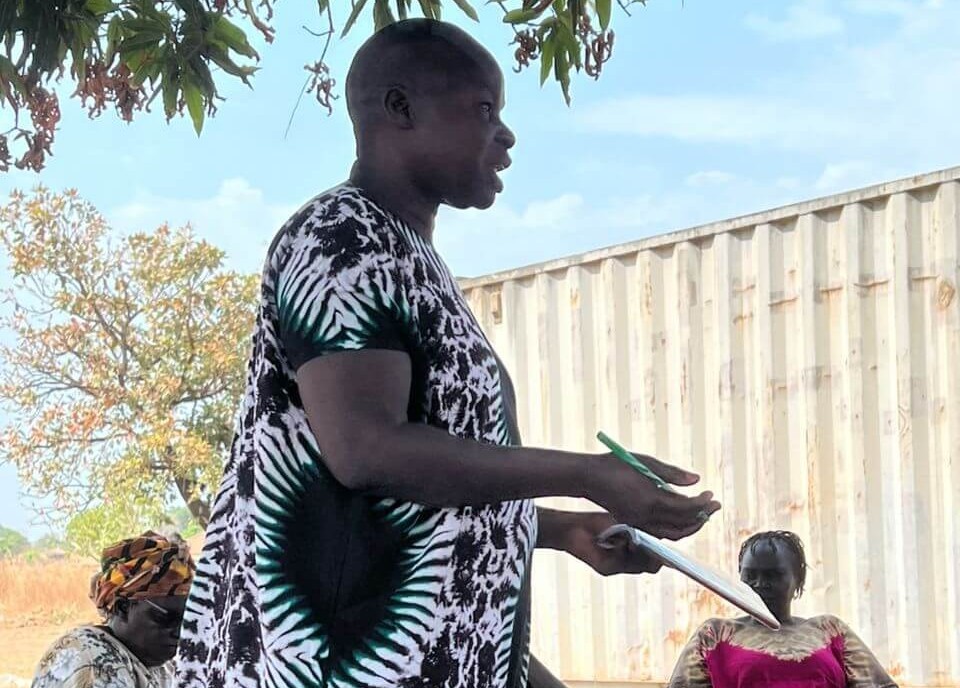
Cecilia Bona, a community mentor and mobilizer, highlighted the growing concern of high dowry demands. She explained that evolving cultural expectations, some adopted from other contexts, are placing financial strain on families and limiting young women’s opportunities.
“High dowry demands are affecting our daughters,” she said. “As women, it is our collective responsibility to stand strong and speak about these issues.”
Throughout the dialogue, Participants shared sensitive experiences with openness and trust. Elizabeth Yangi, the GBV Officer supervising the session, observed strong enthusiasm and readiness for change.
“I saw genuine willingness from both women and men to learn and become agents of change,” she noted. “The happiness on the women’s faces showed how important it is to create safe spaces for honest conversations.”
Although the first day focused on introductions and understanding the Community Care program, its impact was already visible. The dialogue laid a strong foundation for continued engagement aimed at challenging harmful norms, strengthening community cohesion, and promoting gender equality.
Through this initiative, EVE Organization Mundri Office, with funding support from UNICEF, is strengthening local leadership and creating platforms where communities can critically reflect, learn, and act together.
In Mundri, change began with a conversation one grounded in courage, unity, and a shared belief that every woman and girl deserves dignity, opportunity, and a voice.