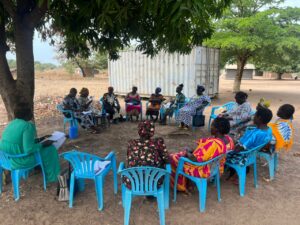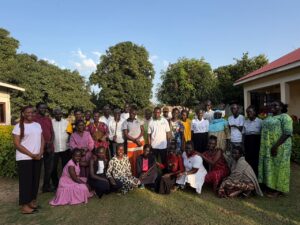
Poverty and social pressures are forcing many families across the Country to marry off their daughters at a young age, exposing girls to serious physical, emotional, and educational harm. As part of its GBV risk mitigation efforts, EVE Organization for Women Development – Yambio Office, in collaboration with UNICEF, conducted a community awareness session where women, men, and youth shared their experiences and concerns.
The session, held on Monday, 26 January, at Nangbimo Primary Health Care Unit (PHCU), forms part of EVE Organization’s ongoing initiative to address the root causes of gender-based violence (GBV) and harmful social norms.
The Poverty Factor
During the session, women spoke openly about how economic hardship drives early and forced marriage.
“We do not have money to send our girls to school,” one woman explained. “Sometimes, marrying them off early seems like the only way to help the family survive.”
For many families, girls are viewed as a source of income rather than as children with a right to education and protection, reinforcing cycles of poverty and vulnerability.
Peer Pressure and Social Influence
Poverty is not the only factor. Peer influence and community expectations also play a significant role. Some parents feel pressured to follow the practices of friends or relatives, fearing that refusal could strain social relationships.
“If a friend advises you to marry off your child early and you do not follow, the friendship may be affected,” another participant shared.
These pressures allow harmful practices to continue, even when families understand the risks to their daughters’ health, safety, and future. Through such discussions, EVE Organization raises awareness about the dangers of early marriage and supports communities to challenge harmful social norms.
Male Voices from the Community.
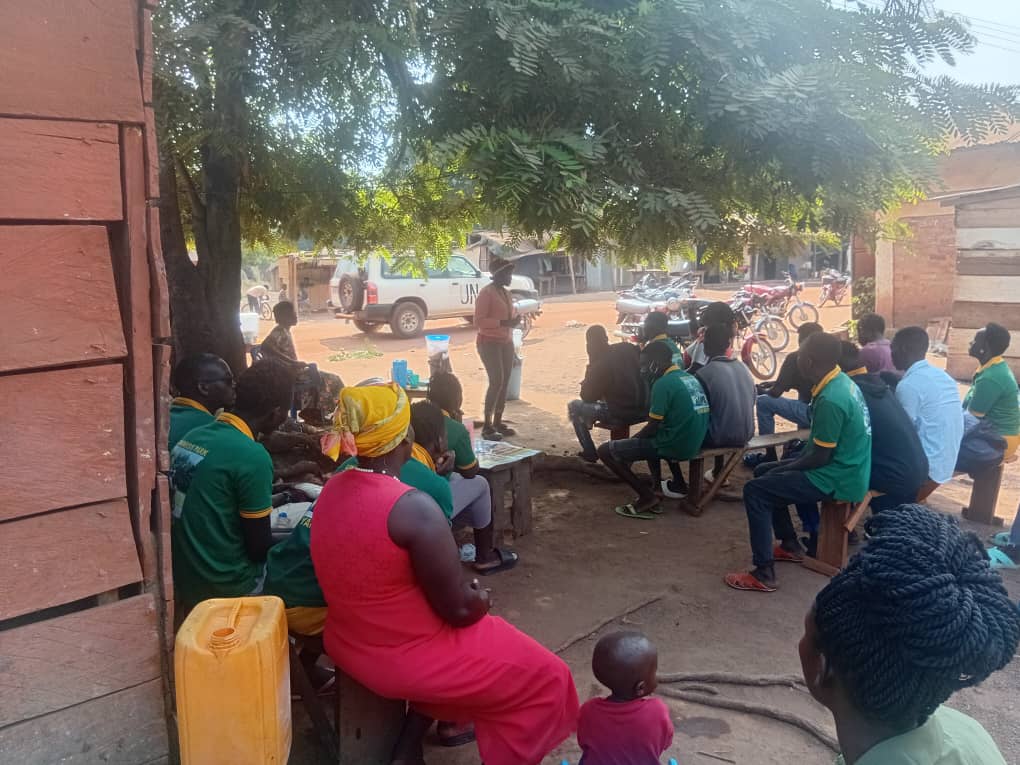
As part of the same initiative, EVE with support from UNICEF also engaged UN boda riders, in the discussions. One boda rider emphasized the role of parents in protecting their children.
According to him its important to build close relationship between children and parents.
“Every child has parents, and we need to be close to our children and understand them before deciding for them,” he said.
He also highlighted health-related risks associated with early marriage.
“Girls can be exposed to infections without the family knowing, and later the burden comes back to the parents especially when a man comes to formally approach the family.”
These reflections show growing awareness among men and boys about the long-term consequences of early and forced marriage.
EVE’s approach emphasizes community accountability, and access to support services as key tools in reducing early and forced marriage. Families are also encouraged to report GBV incidents and seek available medical, psychosocial, and protection services.
Ending early and forced marriage requires both awareness and action. By working closely with communities, EVE, in collaboration with UNICEF, continues to address GBV-related drivers, promote informed decision-making, and support a future where girls are safe, educated, and empowered.
Poverty may be a powerful driver, but knowledge and community action are stronger. Through initiatives like these, EVE Organization in collaboration with UNICEF, continues to spark dialogue, challenge harmful norms, and create opportunities for girls to live free from violence, access education, and pursue their dreams.